Handwoven saris, bought from the loom.
A Raipur handloom house since 2012, sourcing directly from weaver families across Bengal, Assam, Gujarat and Banaras — saris, stoles and fabric by the metre.
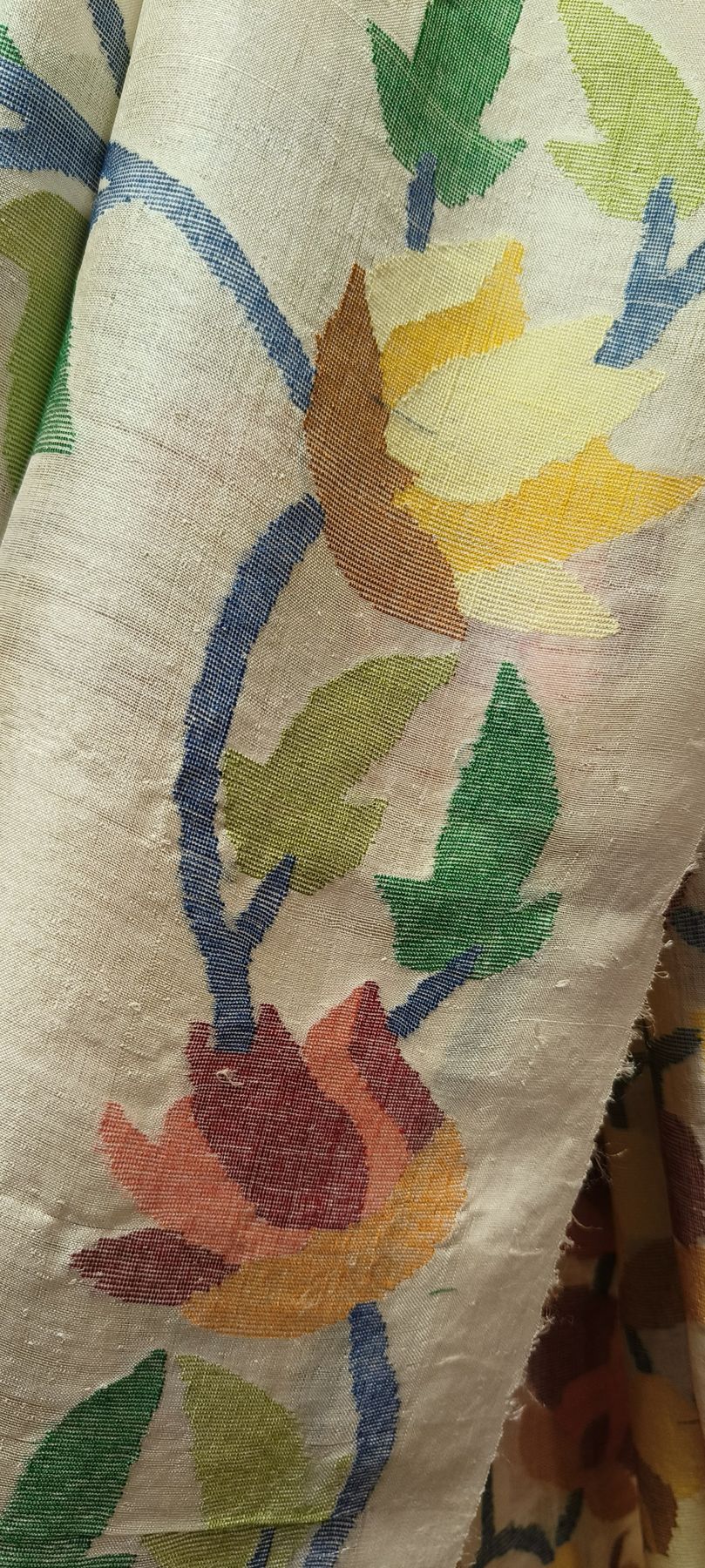
Saris by fibre
Three natural fibre families (cotton, silk and linen), often blended on the loom, one yarn in the warp and another in the weft.
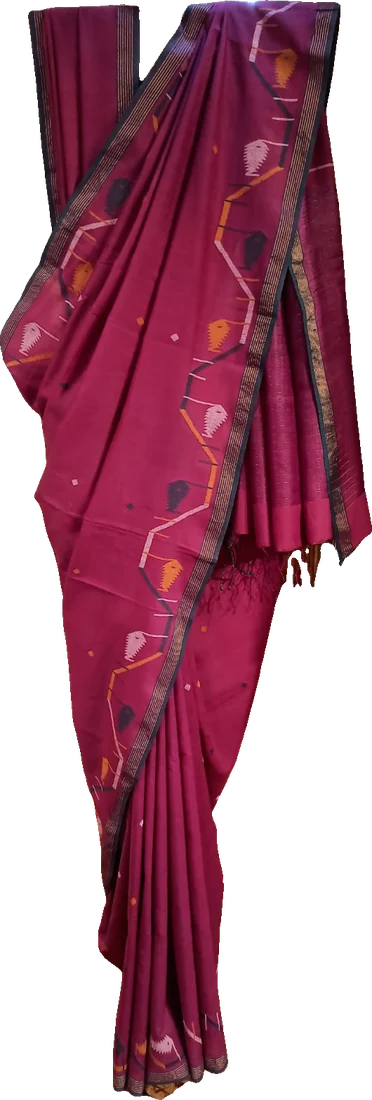
Khadi Cotton
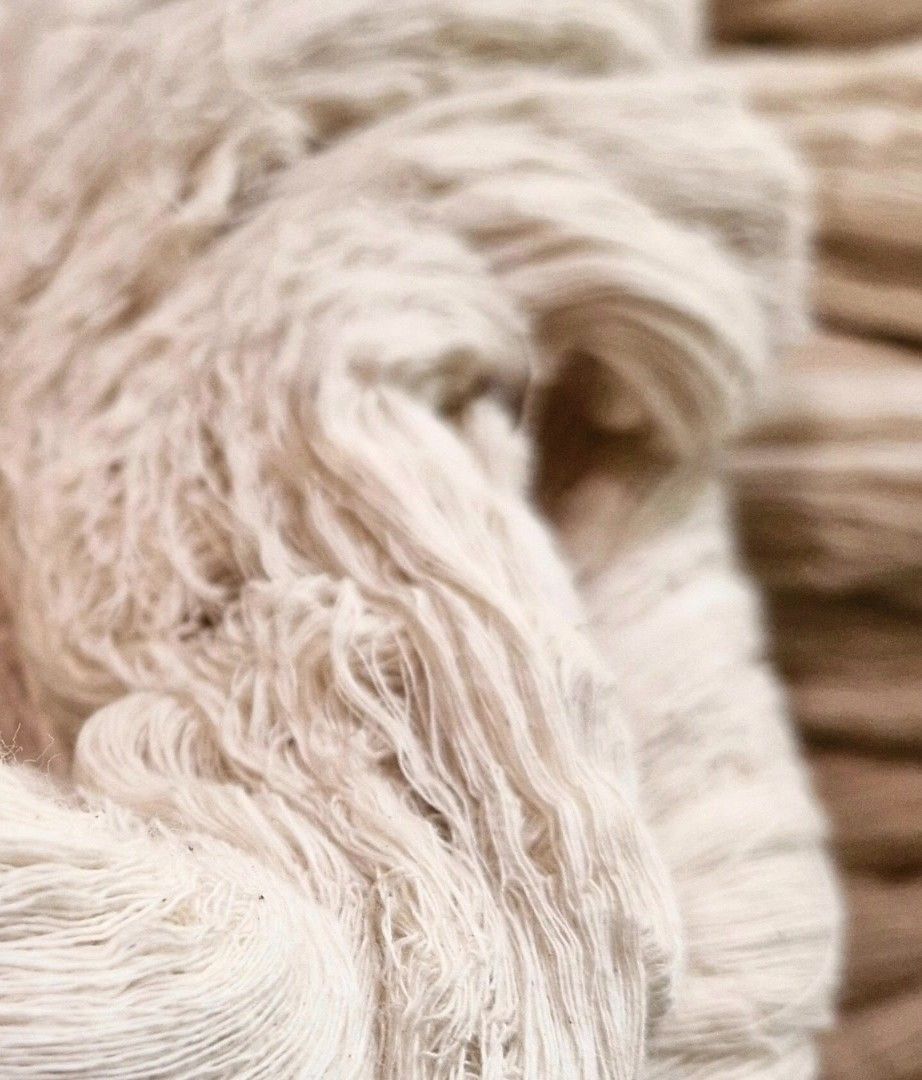
Hand-spun and hand-woven; breathes in every season.
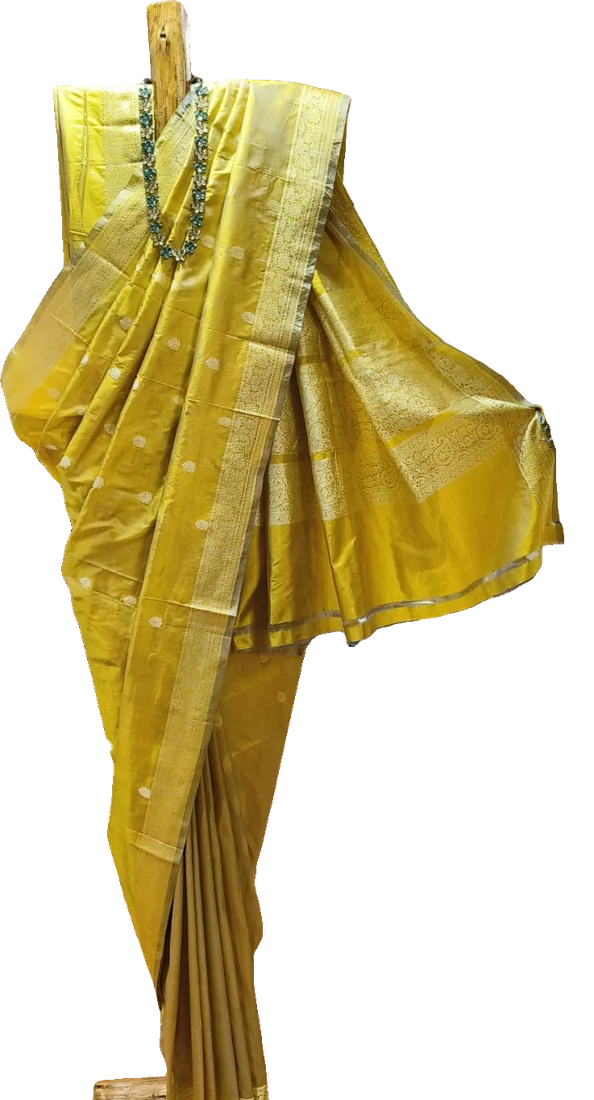
Mulberry Silk
Fine, lustrous and fluid; theic silk for occasion wear.
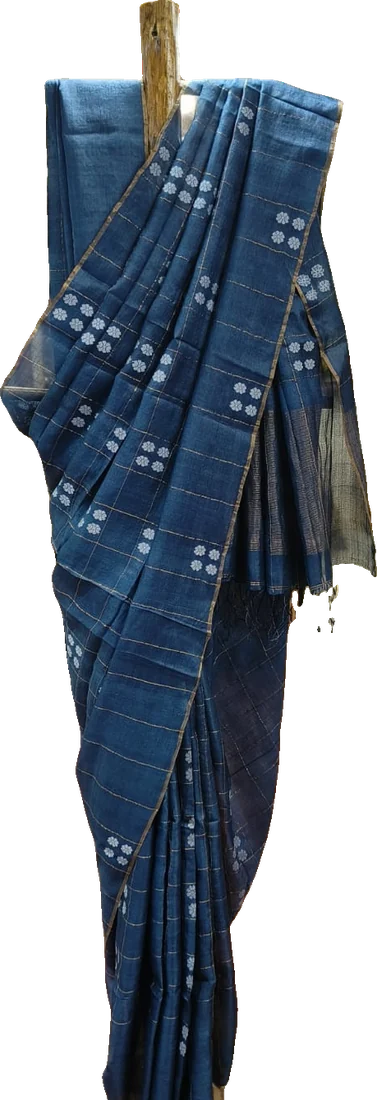
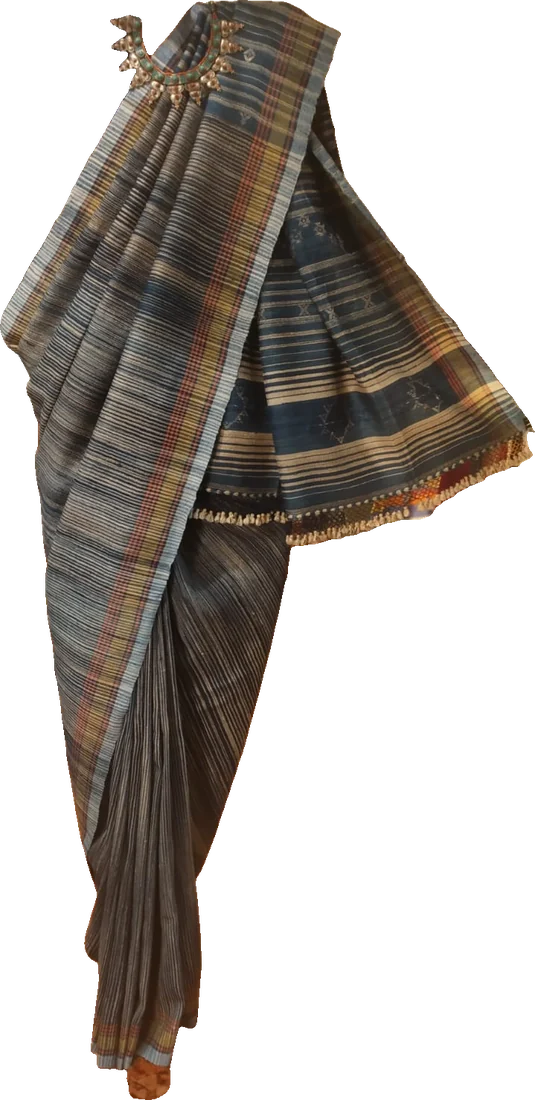
Ghicha Silk
Hand-reeled from tussar cocoon waste; matte with a nubby slub.
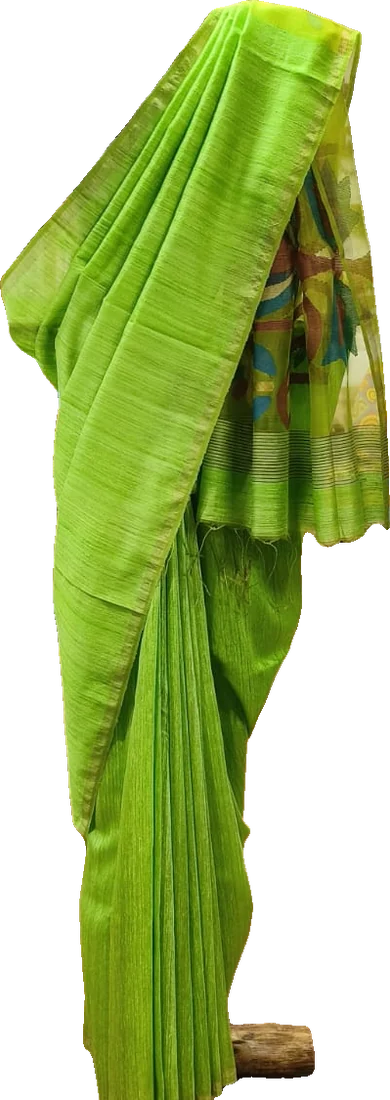
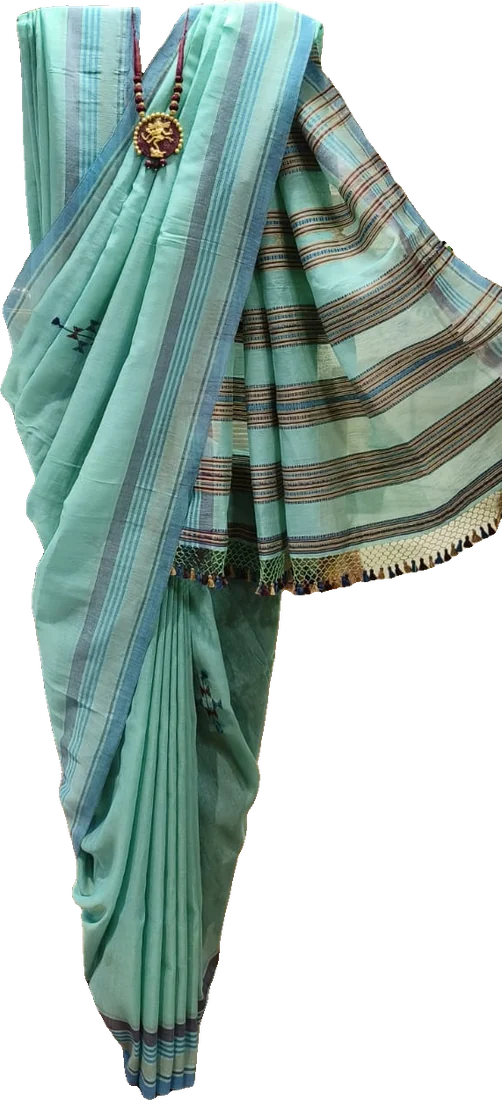
Linen
Flax fibre, graded by count; crisp with a soft fall.
Swipe to see more →
Saris by craft
Each fibre meets a regional technique, from the weaver’s extra-weft motifs to leaves pressed into silk.
 Signature collection
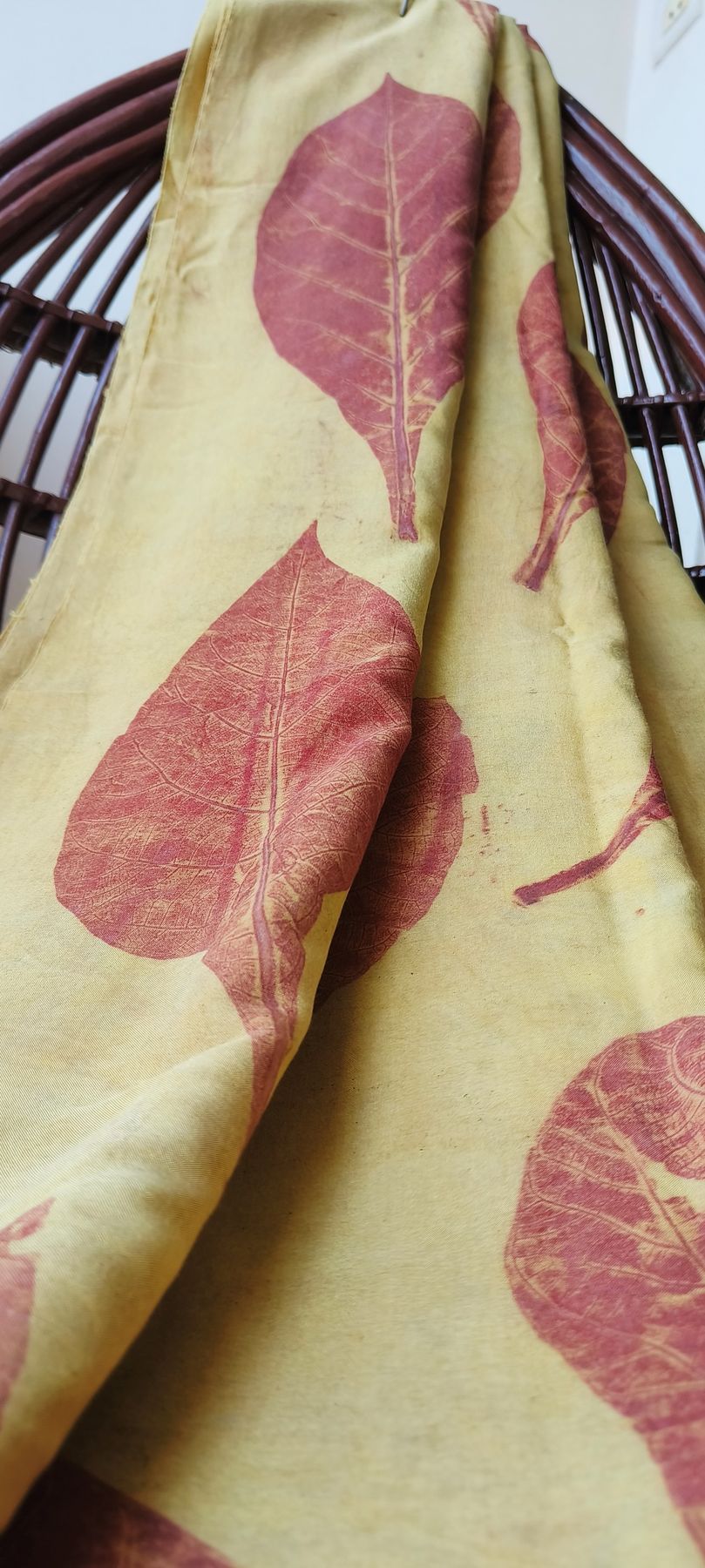
Eco Print
Windfall leaves steamed into eri silk, silk khadi and linen. Nature’s own print, never repeated.
Jamdani
Hand-inlaid motifs on tussar, mulberry silk, silk muslin and khadi cotton.
Dolls in Jamdani →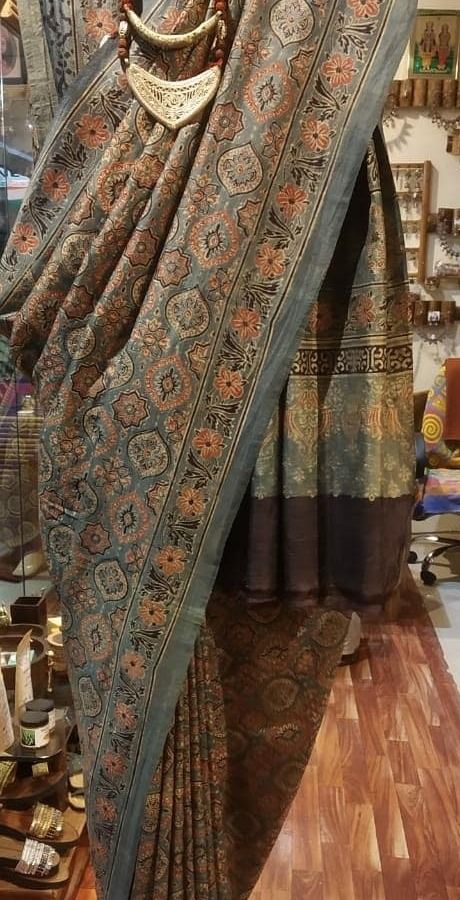
Garad (Gorod) Silk
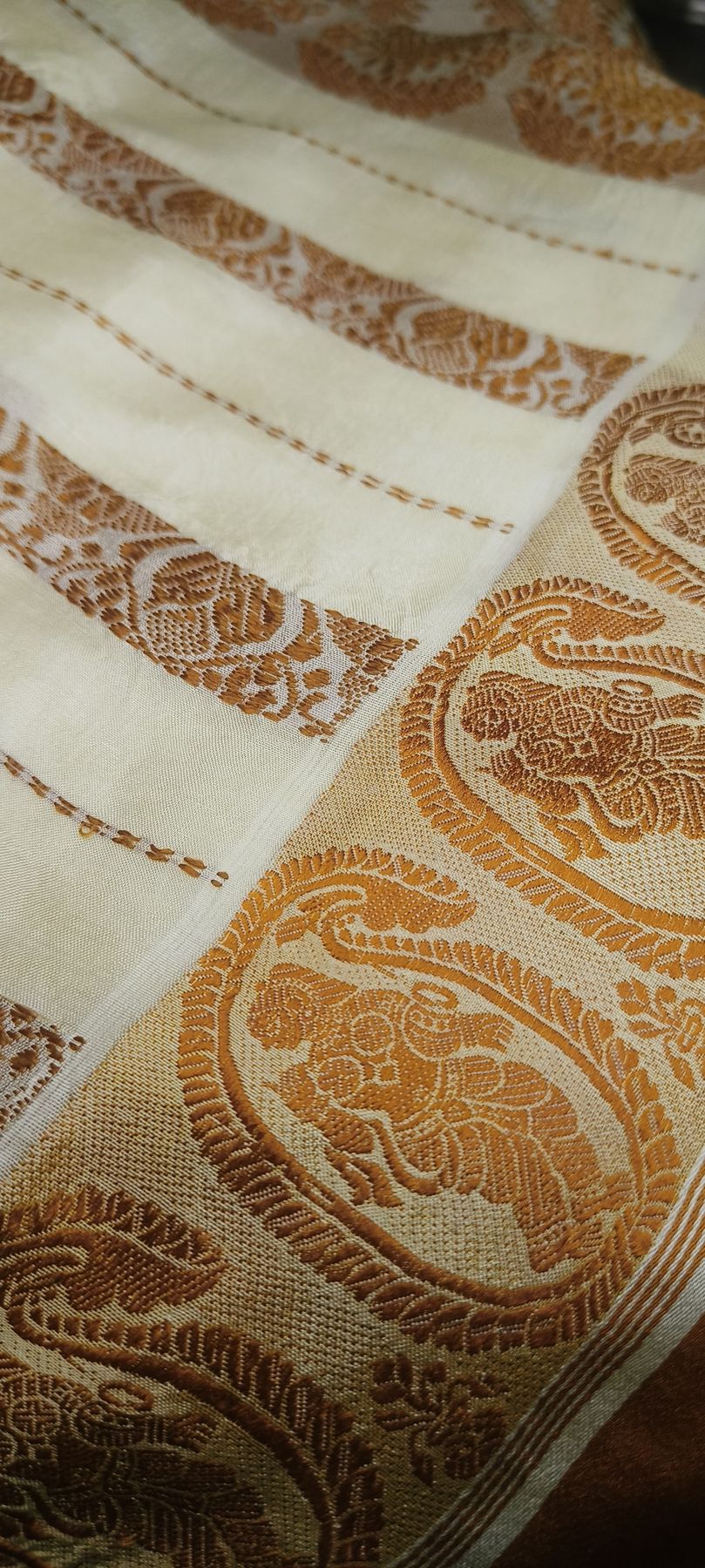
Undyed ivory silk with a bold border and paisley, figurine and floral bootis.
Paat Silk
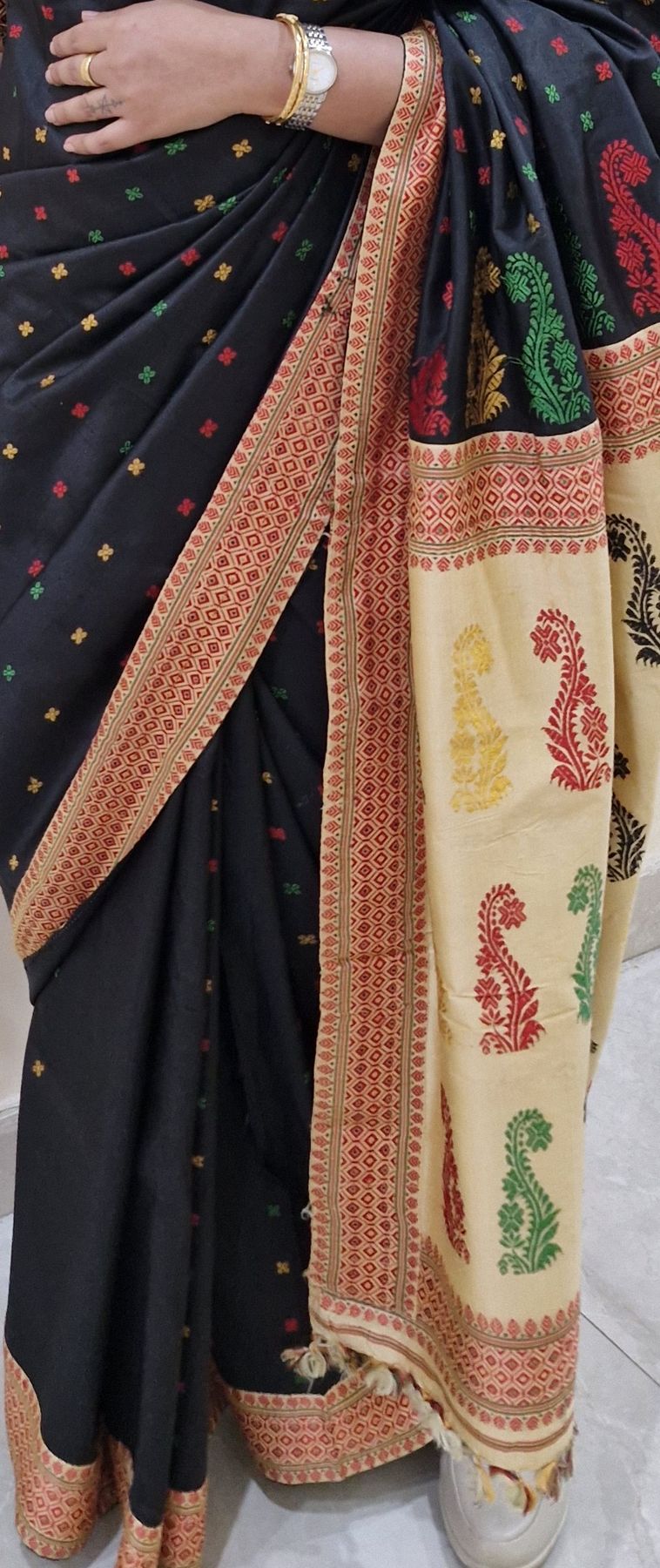
Assam’s mulberry silk, woven with traditional Assamese motifs.
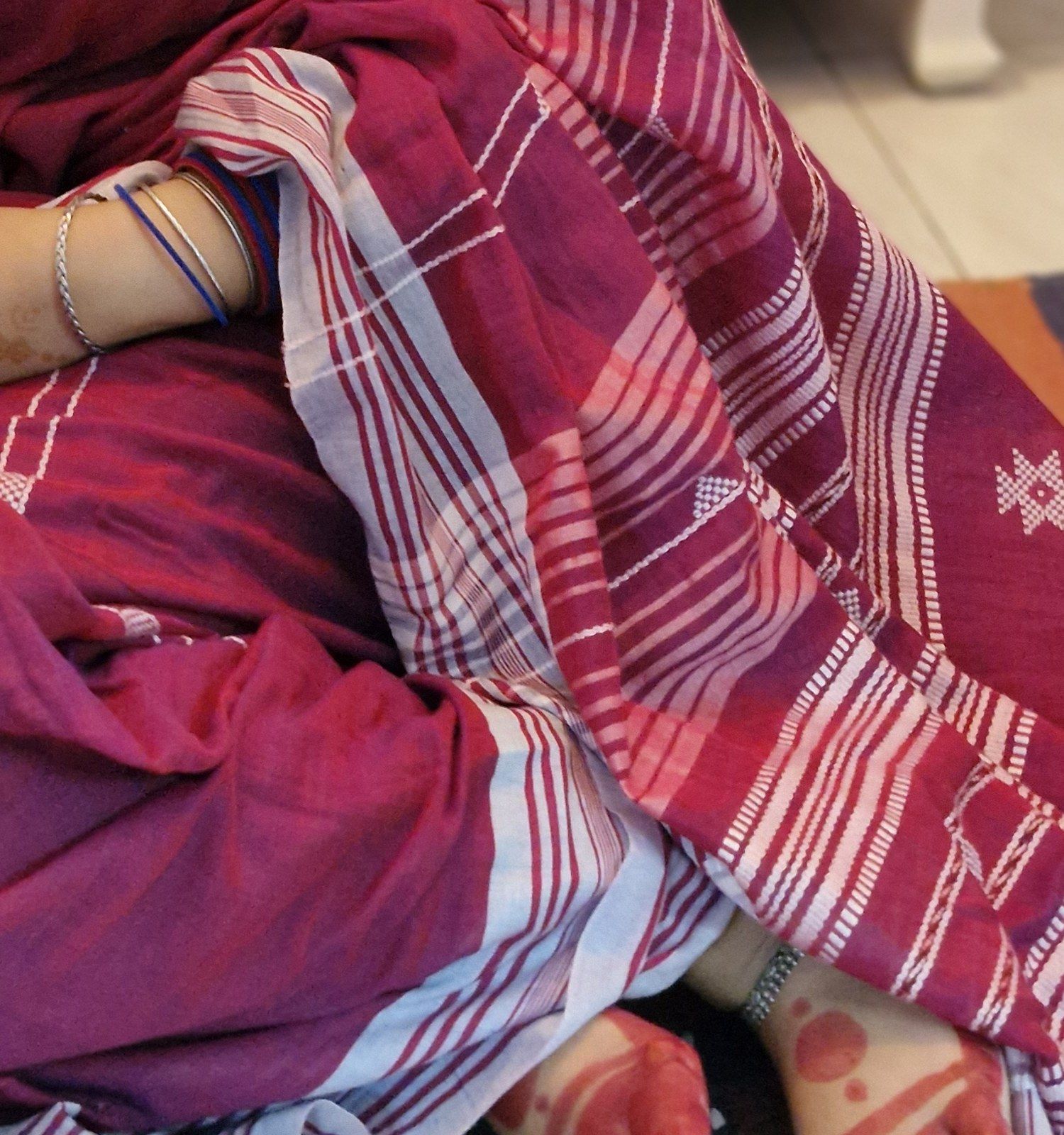
Bhujodi
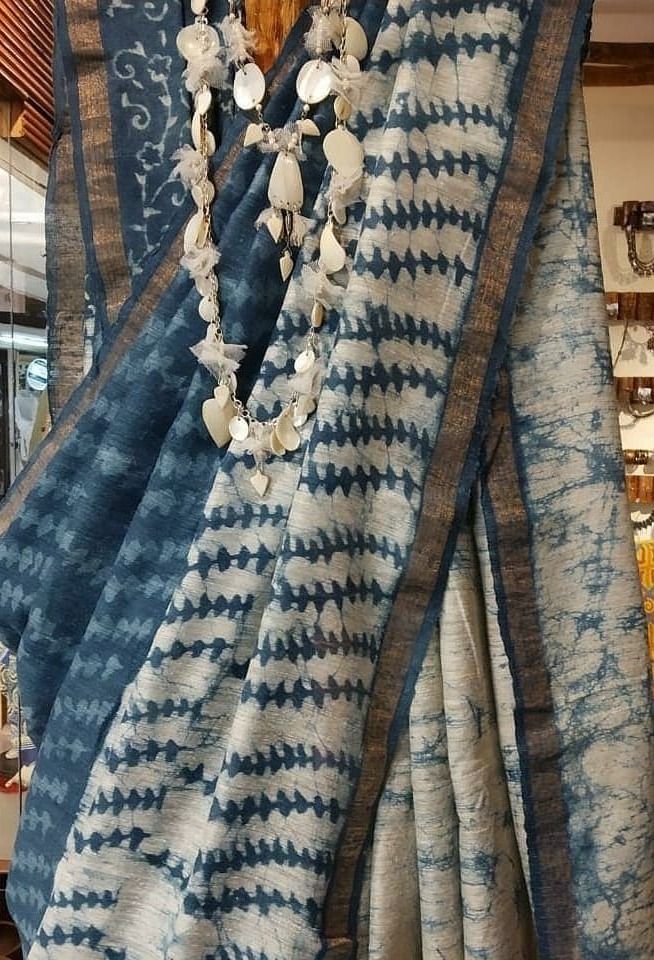
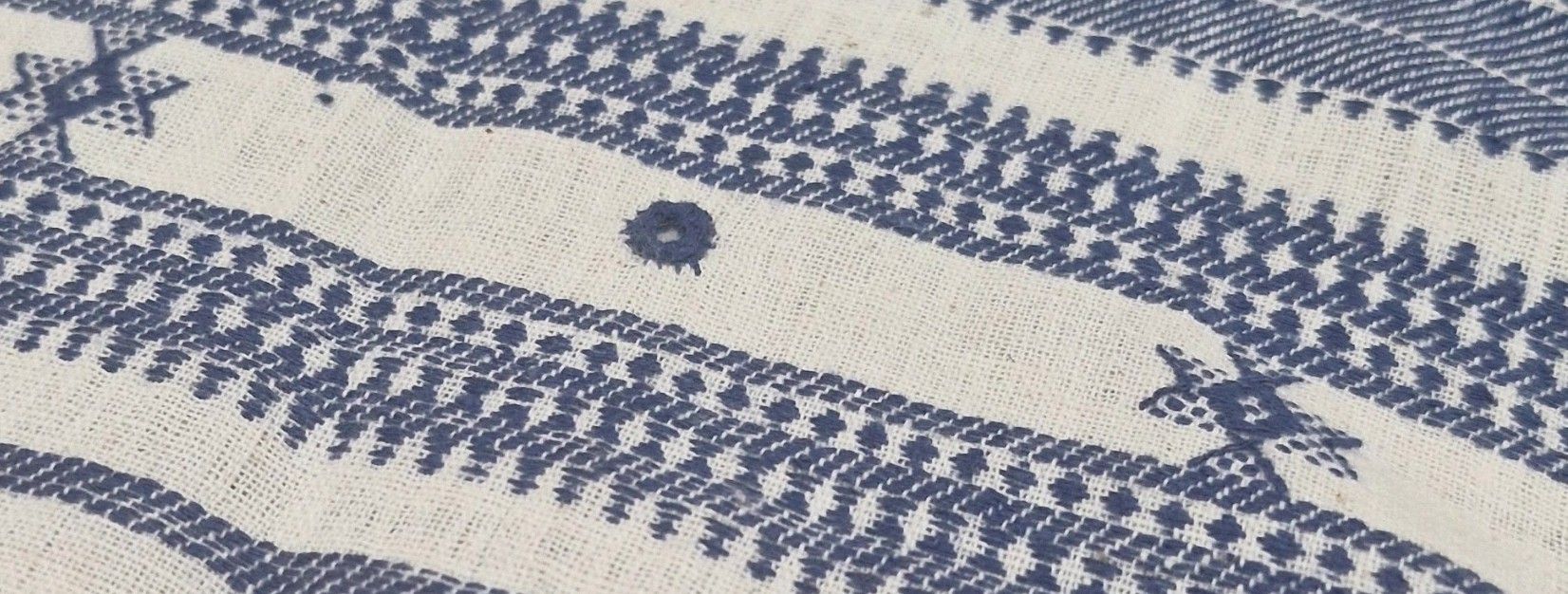
Extra-weft weaves by Kutch’s Vankar weavers, often in indigenous Kala cotton.
Swipe to see more →
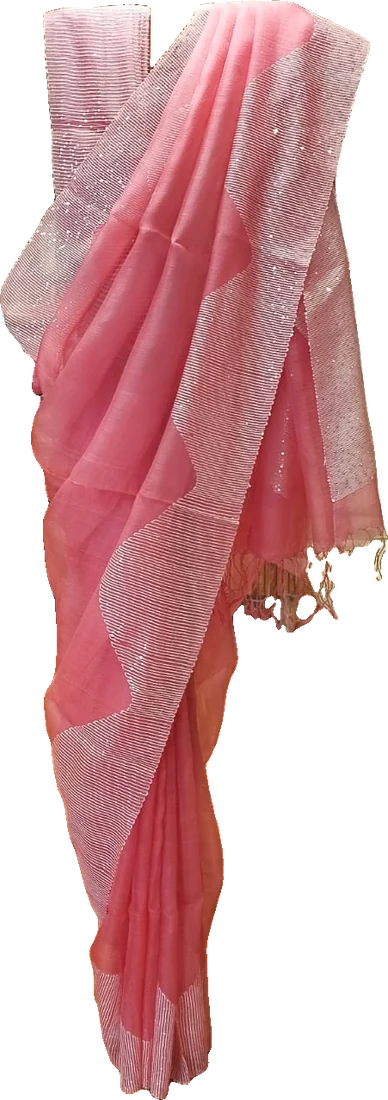
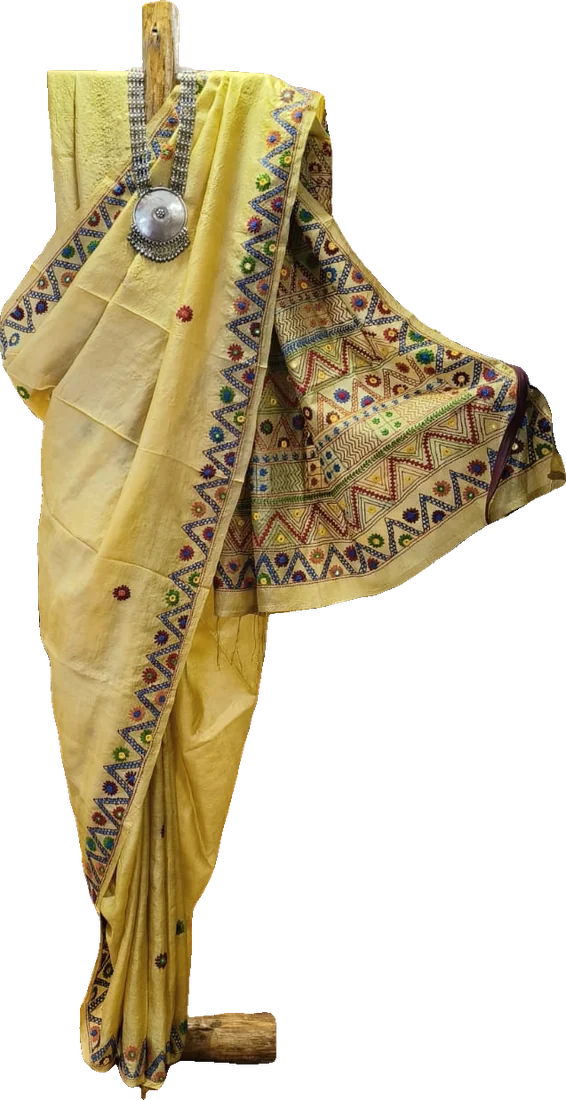
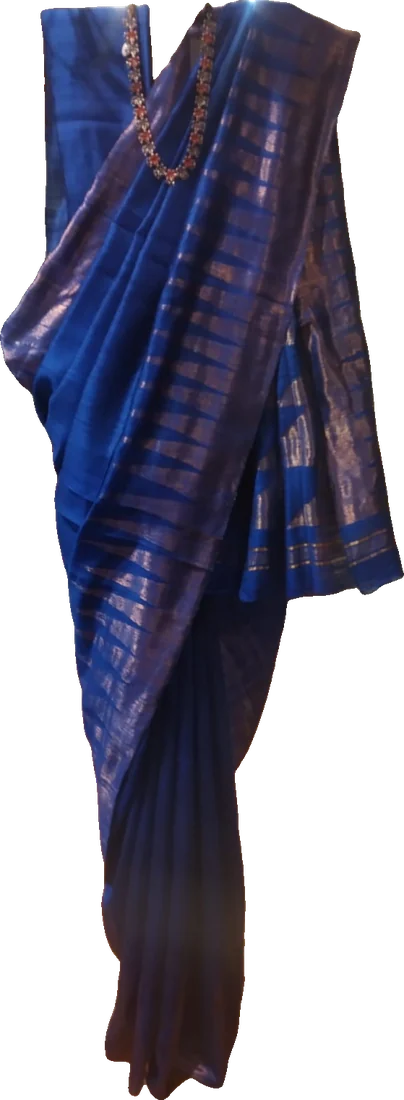
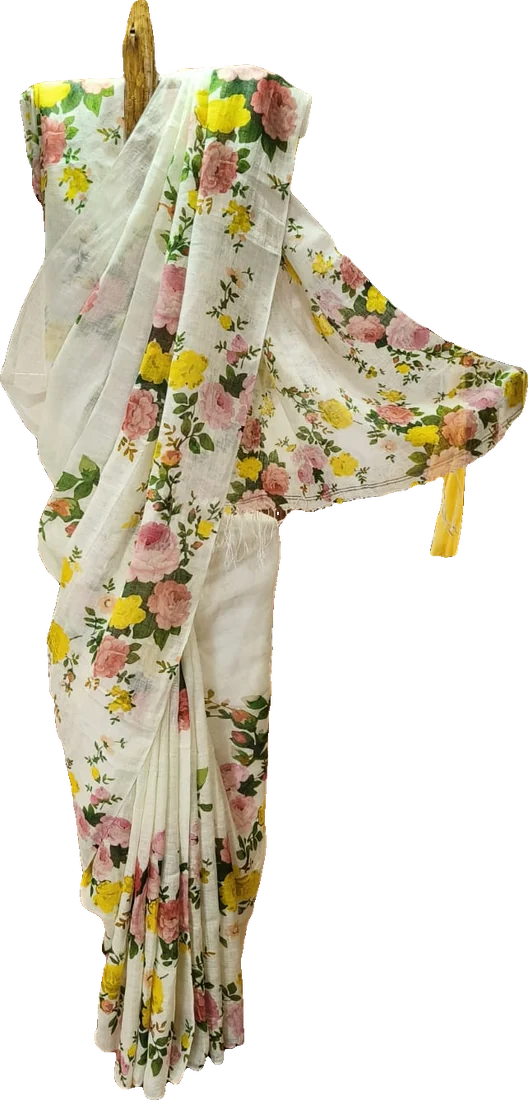
From our shelves
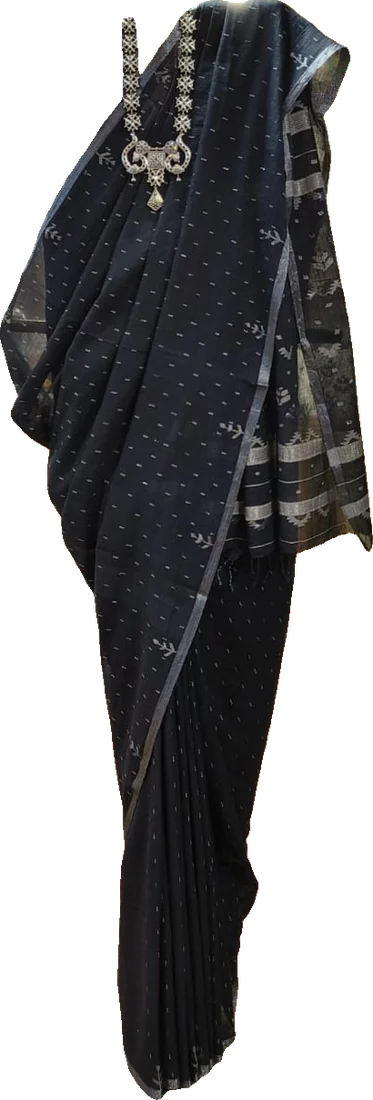
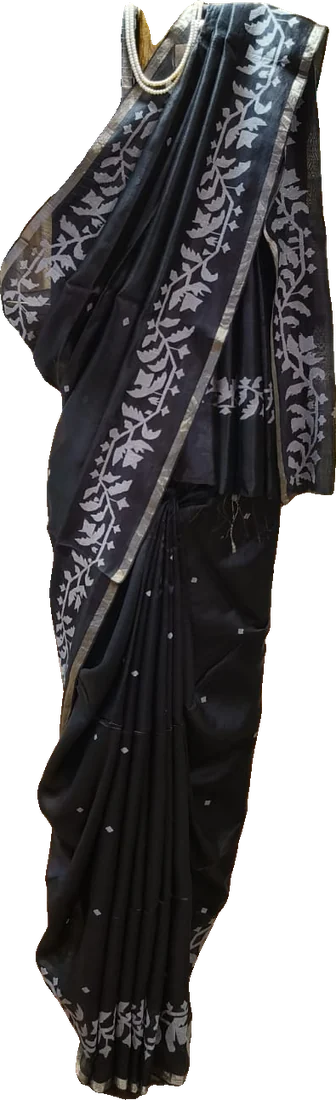
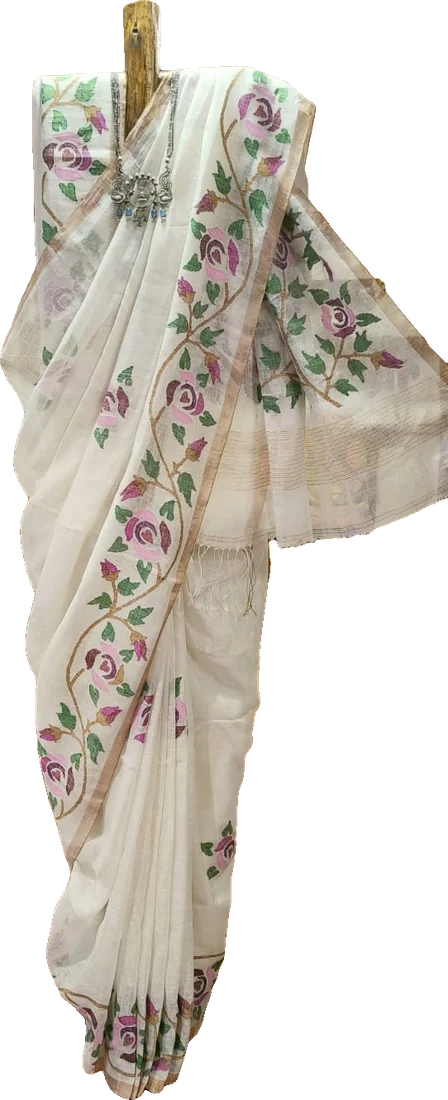
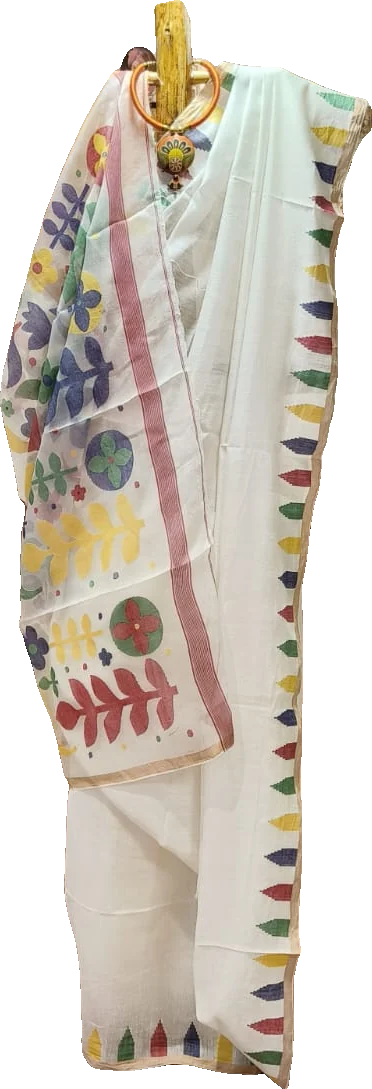
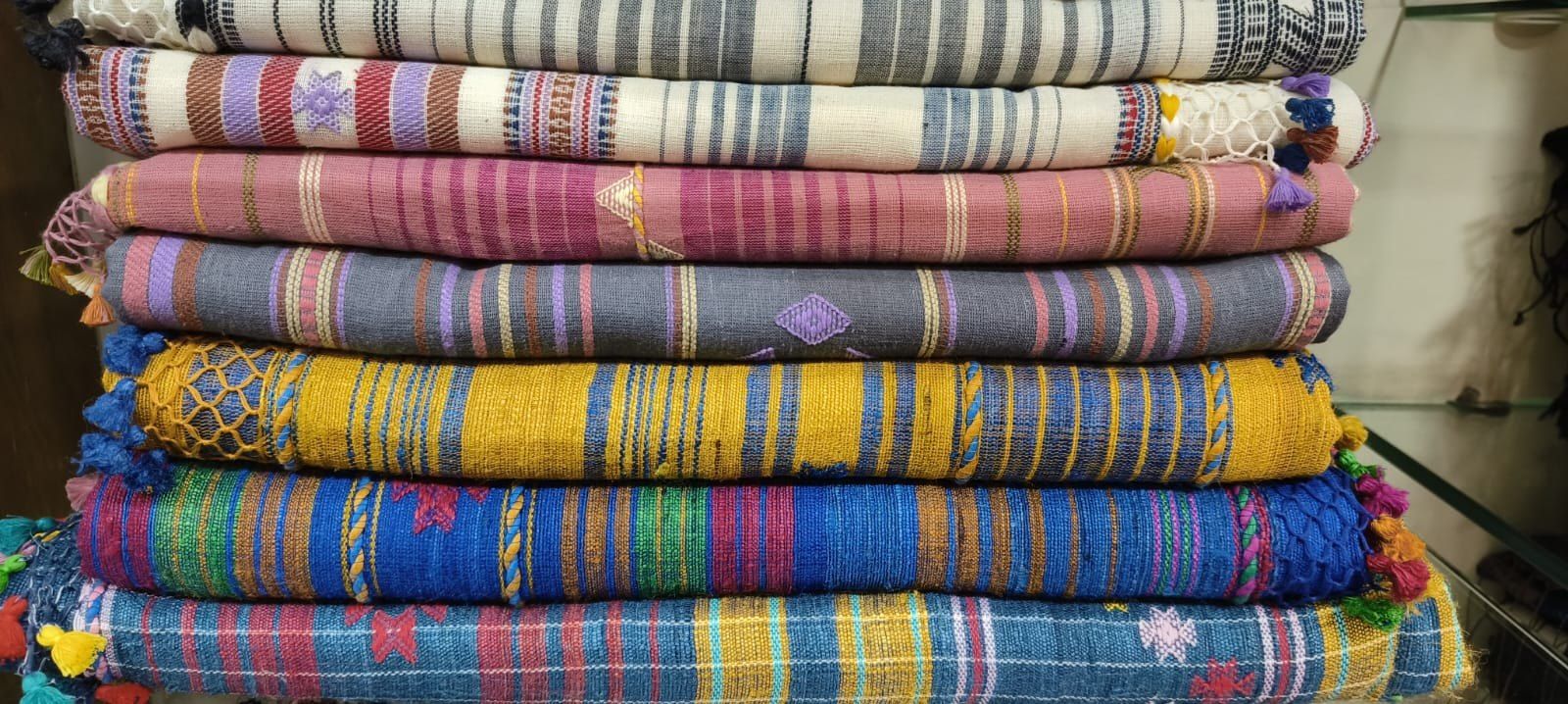
A sample of the range: every piece handwoven, bought directly from the weaver, and one of a small run.
Swipe to see more →
Fourteen years, one loom at a time.
Bought directly from weaver families, so the price reaches the hands that made it.
We buy from the hands that weave.
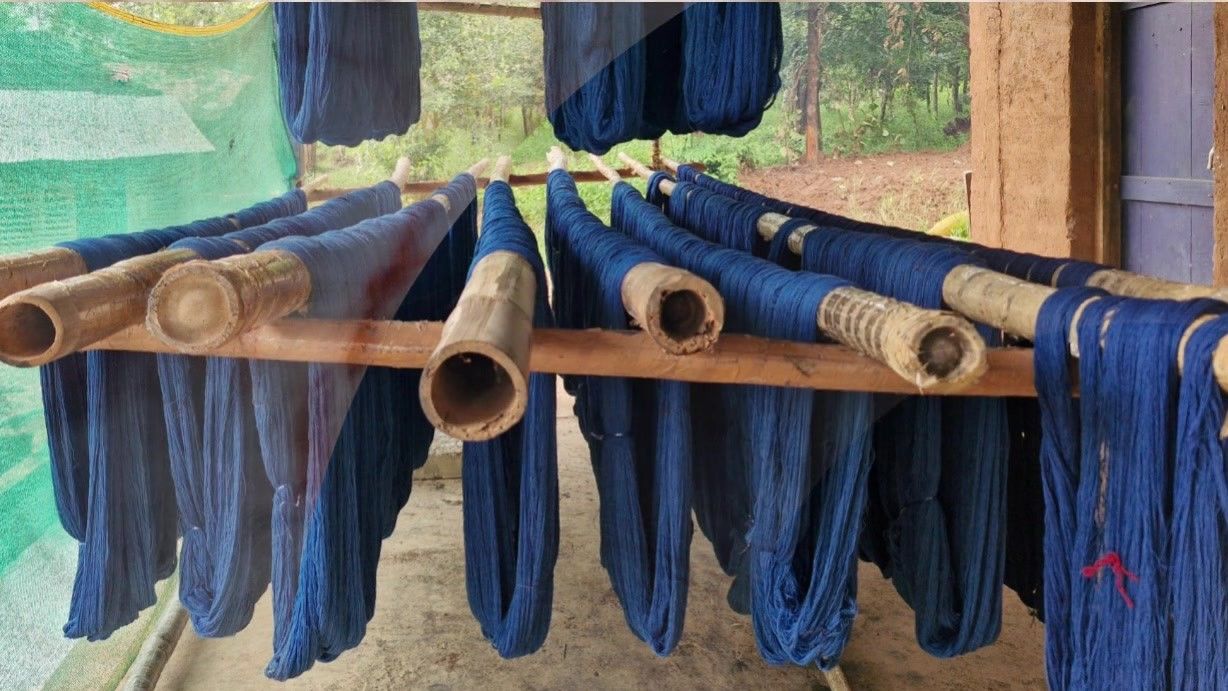
For 14 years we have sourced directly from weaver families, choosing yarn and designs together, paying fairly and buying their seconds as well: lengths that miss commercial standards but are too good to waste.
“We pay the weaver directly, for the time the loom actually takes.”
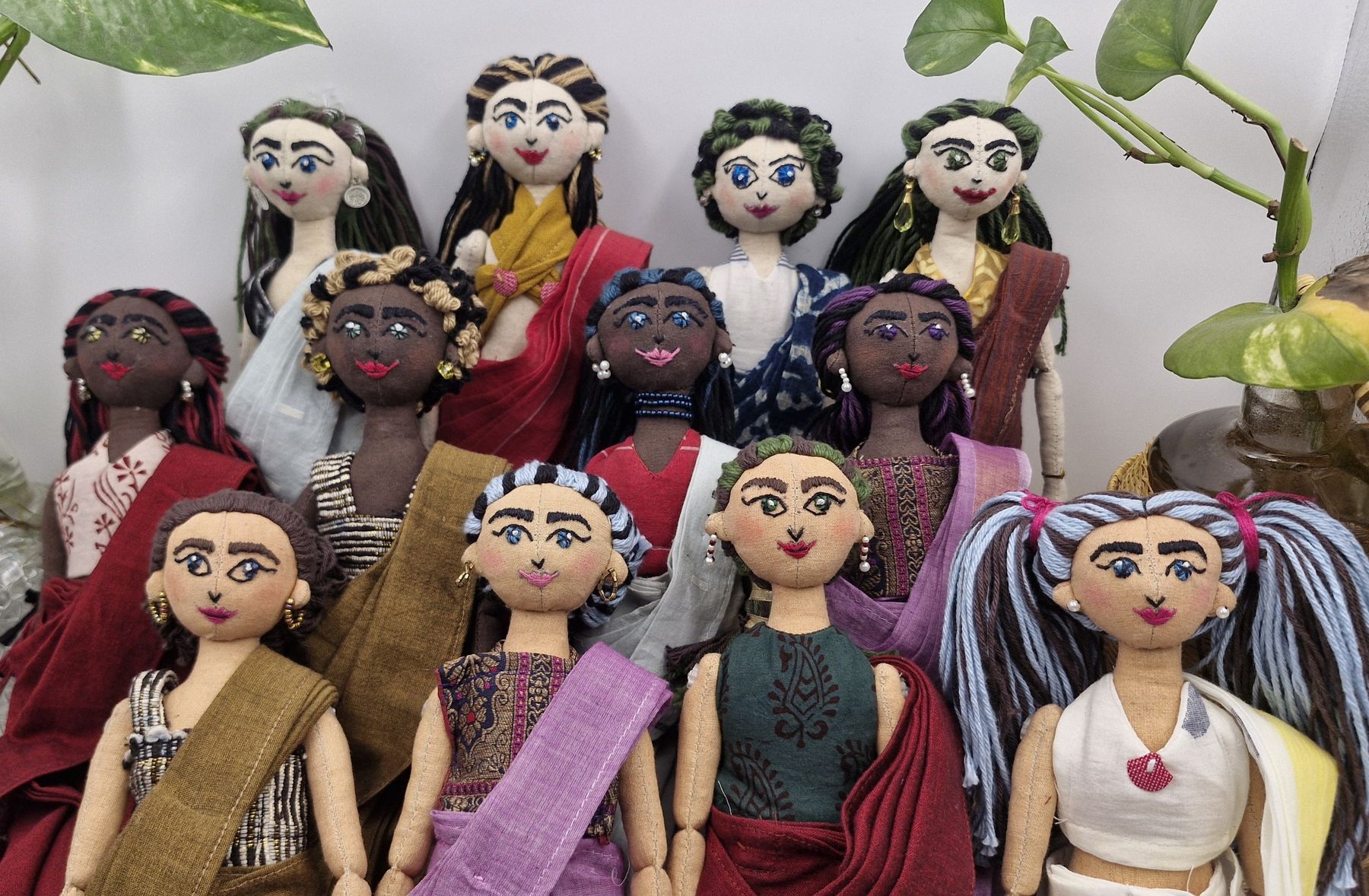
The sari that couldn’t be sold becomes a doll.
Some Jamdani is woven so fine that a sari kept folded along the same line for too long cuts along the crease — cleanly, without fraying. It can no longer be sold as a sari.
Much of our Jamdani comes from Bipul Da, in Phulia. Lengths like these, which a weaver would struggle to sell, are the ones we take for Masakali: fifteen-inch dolls hand-stitched by women in Raipur, each dressed in a miniature sari. It moves cloth that would otherwise sit unsold, and it keeps the dolls’ fabric affordable. Two of the dolls’ Jamdanis were exactly this.
Read more: Woven Air — how Jamdani reaches a twelve-inch sari
She waited until fifty, then began.
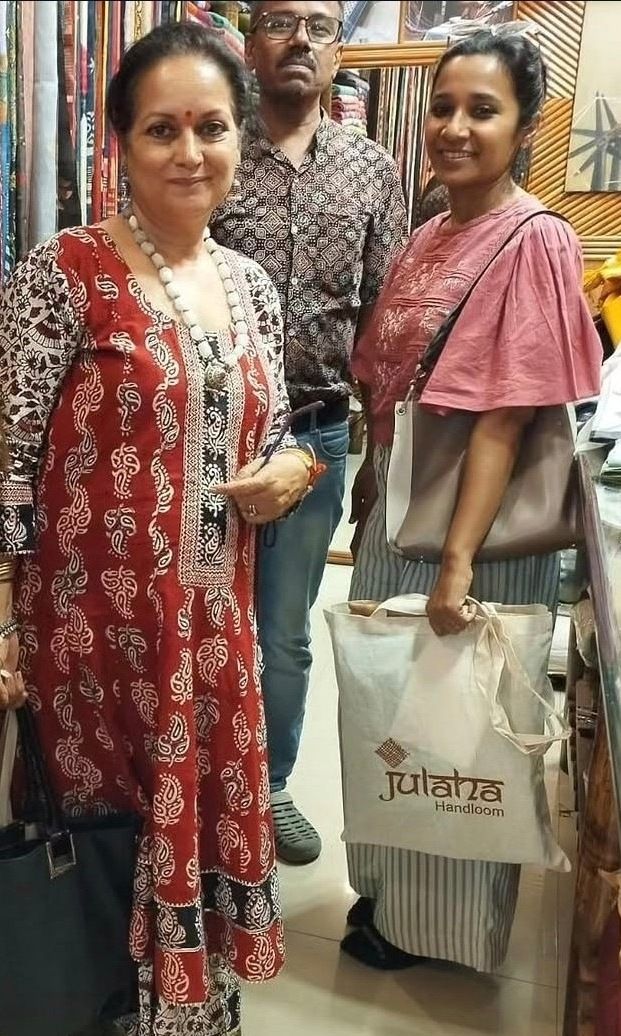
Gita Jaiswal had always wanted a business of her own, but family came first. At fifty, with her brothers’ backing and a small rented space in Raipur, sheed Julaha Handloom — today KathaDoi Handloom.
Fourteen years on, it is a handwoven-sari destination built the slow way: travelling to weaving clusters, choosing yarn and motifs with the weavers themselves, and paying them directly.
“We buy from the hands that weave, and we pay them for the time the loom actually takes.”Gita Jaiswal, founder

Where you’ll find our saris.
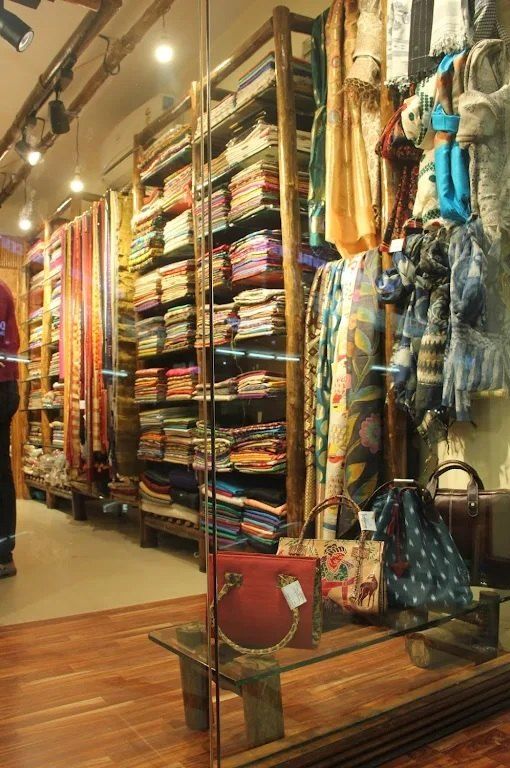
Our saris are sold in person and by message — at the Raipur store, at exhibitions, and over WhatsApp and Instagram. They are not sold on this website.
Handloom saris
Since 2012How we work
Recognition

Before you visit.
Where is KathaDoi Handloom?
At Shop 20–21, Block A, Crystal Arcade, Shankar Nagar Road, Raipur, Chhattisgarh. The storeed in 2012 as Julaha Handloom and was renamed KathaDoi Handloom in 2026.
Can I buy your saris online?
Not on this website. Saris are sold at the Raipur store, at exhibitions, and directly over WhatsApp and Instagram.
What do the saris cost?
Between ₹4,000 and ₹40,000, from everyday linen to jamdani on mulberry silk. Fabric is priced by the metre.
Which weaves and fibres do you keep?
Khadi and Kala cotton; mulberry, tussar, ghicha, matka, katan, eri, muga and silk muslin; and linen. In crafts: jamdani, eco print, ajrak, dabu, Garad, Paat silk from Assam and Bhujodi from Kutch.
Do you take orders for a particular sari?
Yes. Specific weaves, colours and borders can be commissioned with our weavers.
How are the saris connected to the Masakali dolls?
Saris and lengths that a weaver cannot sell, along with tailor off-cuts, become the miniature saris worn by KathaDoi’s Masakali dolls, which are stitched by women artisans in Raipur. See all the dolls.
Since 2012.
Fourteen years of handwoven saris, bought directly from weaver families and sold from our Raipur store.
kathadoi.handloom@gmail.com
Shop 20–21, Block A, Crystal Arcade, Shankar Nagar Road, Raipur 492004